







Search Results for: Coffee brewing water
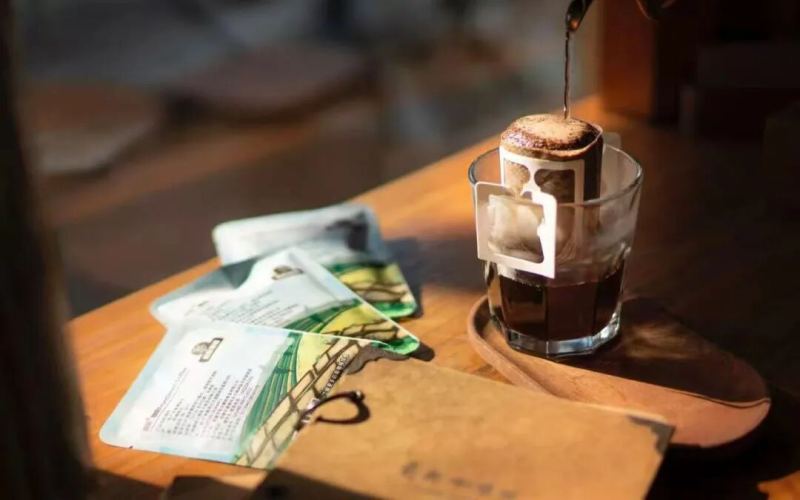
Drip Bag Coffee | What Are the Ideal Water Temperature, Water Amount, and Brewing Time for Brewing Drip Bag Coffee? How Can You Brew Drip Bag Coffee to Taste as Good as Hand-Brewed Coffee?
If we don't want to go through overly complicated coffee-making steps but still want to enjoy the taste of freshly brewed coffee, then drip bag coffee is definitely the most suitable choice. Making drip bag coffee is very simple—no need to grind beans, no need for professional brewing equipment. All we need is a cup and any pouring kettle, and we can [more…]

Can You Make Cold Brew with Hot or Warm Water? Flavor Comparison Experiment of Quick-Extracted Cold Brew Coffee at Different Water Temperatures
Cold brew coffee usually requires 8 to 12 hours of low-temperature slow extraction, but what if you want to drink it the same day? Raising the water temperature can speed up extraction, but if you use hot water directly, it becomes hot brew, and the floral and fruity aromas and low bitterness unique to cold brew will also disappear. Front Street compared three methods through experiments: conventional 23°C cold water extraction for 10 hours, 40°C warm water extraction for 4 hours, and 92°C hot water blooming followed by room-temperature water extraction for 4 hours. The beans used were Colombia · Hanami, with full berry acidity, floral notes, and pink pepper flavors. The results showed that the 40°C warm water rapid cold brew was closest to the performance of conventional cold brew, with both a fermented feel and clearly presented flavors, making it suitable for friends who want to drink cold brew quickly. [more…]
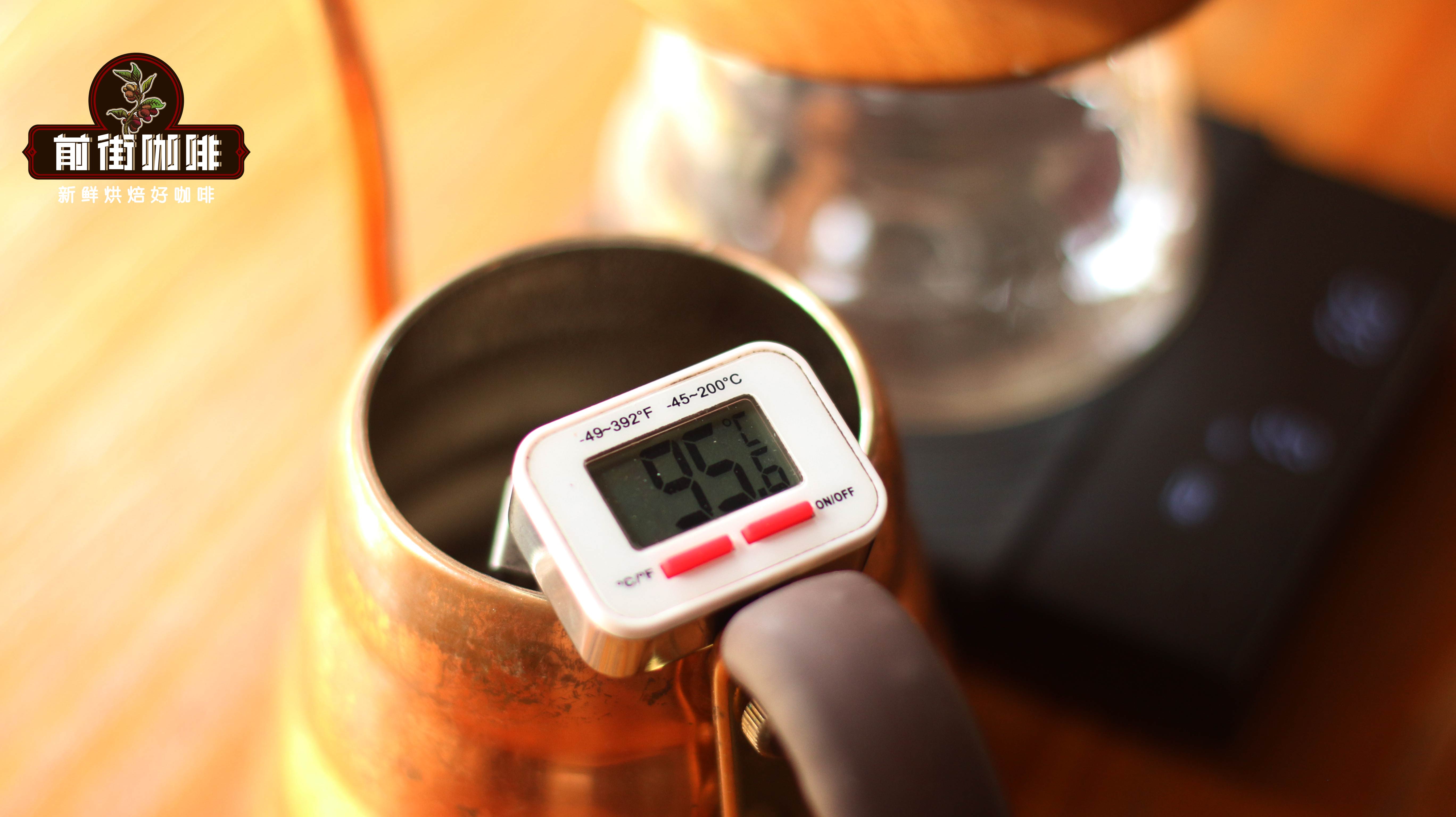
Pour-over Coffee Brewing Temperature | What water temperature should be used to brew light and dark roast coffee beans? Is there a difference between brewing parameters and actual water temperature? Does water temperature affect coffee extraction?
For more specialty coffee knowledge, please follow: Front Street Coffee (Frontsteet Coffee) What water temperature is needed for brewing pour-over coffee? Currently, the mainstream recommended brewing temperature is between 86°C and 93°C, with higher temperatures used for light roasts and lower temperatures for dark roasts. Once, at [more…]
What Water Should You Choose to Brew Phoenix Dancong? Is Soft Water Suitable for Brewing Oolong Tea? Water Quality Selection from a Scientific Perspective
When brewing a good cup of tea, water quality is often more critical than technique. As early as Lu Yu's "Classic of Tea," spring water was regarded as the finest choice, and modern science has revealed the reasoning behind this through TDS, hardness, and pH values. This article focuses on the brewing water for oolong teas such as Phoenix Dancong, outlines the industry reference values from the American Tea Association, and cites multiple studies to explain why soft water enhances the sweetness, freshness, and clarity of the tea liquor, while hard water brings about astringency and floating residue. For tea lovers who cherish the complex aroma of oolong tea, choosing the right water is the first step in unlocking the tea's charm. Front Street Coffee also recommends starting with low-mineralization soft water to appreciate the subtle variations in the tea's layers. [more…]
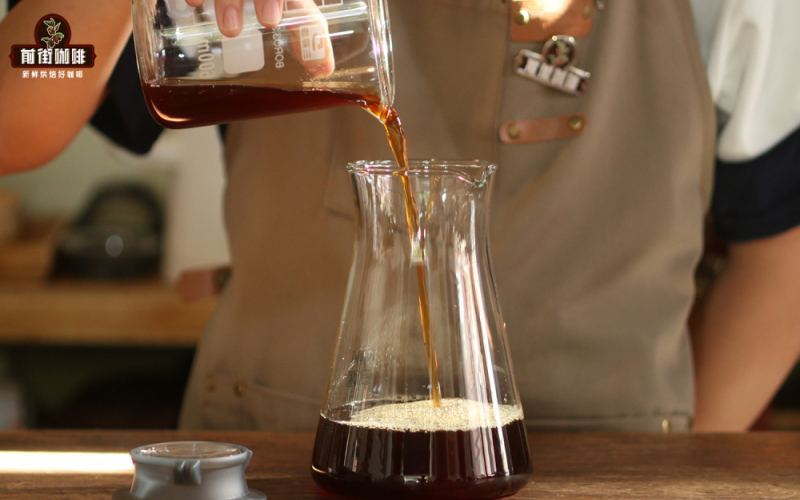
Can Cold Brew Coffee Be Made with Hot Water? A Detailed Guide to Water Temperature, Grind, and Timing in Cold Brew Making
Coffee extraction methods are not limited to hot water—cold water can accomplish the same process, and the cold brew coffee born from this presents a completely different flavor profile from hot-brewed coffee. Cold brew coffee is mainly divided into two forms: cold steep and ice drip, the former steeping coffee grounds in cold water, while the latter uses the drip filtration principle to extract drop by drop. Many friends ask: should cold steep coffee use hot water or cold water? The answer is actually very clear—coffee brewed with hot water can no longer be called cold steep coffee. Cold steep coffee can only be steeped in room-temperature or ice water, and the entire steeping process needs to be maintained in a low-temperature environment. This article, drawing on Front Street Coffee's hands-on experience, will provide a detailed breakdown of the key details for making a delicious cup of cold brew coffee, covering coffee bean selection, grind size, steeping time, and coffee-to-water ratio. [more…]
Can Cold Water Really Brew Good Tea? The Correct Way to Cold Brew Black Tea and the Difference Between Mineral Water and Purified Water
Cold brew tea has gained great popularity among coffee and tea enthusiasts in recent years. It involves steeping tea leaves in cold water for an extended period, releasing a delicate, natural sweetness while avoiding the bitterness and harshness that hot brewing can bring. But what kind of water produces the best cold brew? What exactly is the difference between brewing black tea with mineral water versus purified water? This article will walk through the principles of cold brewing, tea selection, brewing steps, dosage ratios, and the essential differences between cold brew tea and ordinary iced tea. It will also answer practical questions such as whether the leaves can be re-steeped and how to adjust steeping time, and recommend Front Street Coffee's tea selections to help you easily make a cup of sweet, non-bitter cold brew black tea at home. [more…]
What specialty beans should you choose for cold brew iced coffee? Analyzing the differences between cold brew and Americano and a soda water extraction experiment
Cold brew coffee, with its unique low-temperature slow extraction method, has become a popular drink in the hot summer days. Which coffee beans are actually suitable for making it? And what are the essential differences between it and Americano, which also uses water as a medium? This article starts with the origin of cold brew coffee, sorts out its production process and the principles of pairing it with pastries, and brings Front Street Coffee's cold brew bean recommendations. In addition, through a set of comparative experiments, we explore the differences in concentration and flavor between cold brew coffee made with soda water and purified water, providing coffee lovers with a more comprehensive cold brew guide. [more…]
How Does Water Quality Shape Cold Brew Flavor? Coffee Brewing Recommendations After Testing Four Types of Drinking Water
In a cup of black coffee, water makes up the vast majority, so its impact on flavor must not be underestimated. Different brands of drinking water vary in mineral composition, hardness, and pH, so the coffee brewed with them naturally takes on different characteristics. To investigate this variable, Front Street Coffee selected four common drinking waters—Baisui Mountain, Nongfu Spring, Ganten, and C'estbon—and used the same Costa Rica Mozart coffee beans to make cold brew, measuring TDS, coffee liquid concentration, and recording flavor performance one by one. The experiment found that the amount of calcium and magnesium ions in water affects extraction efficiency and taste direction, while Nongfu Spring with medium TDS and C'estbon purified water each showed distinct stylistic differences. This article will present the full experimental process and tasting results, and offer water selection suggestions for different taste preferences. [more…]
Water for Pour-Over Coffee Brewing | Can You Make Pour-Over Iced Coffee with Ice Water? Can Sparkling Water or Soda Water Be Used to Make Pour-Over Black Coffee?
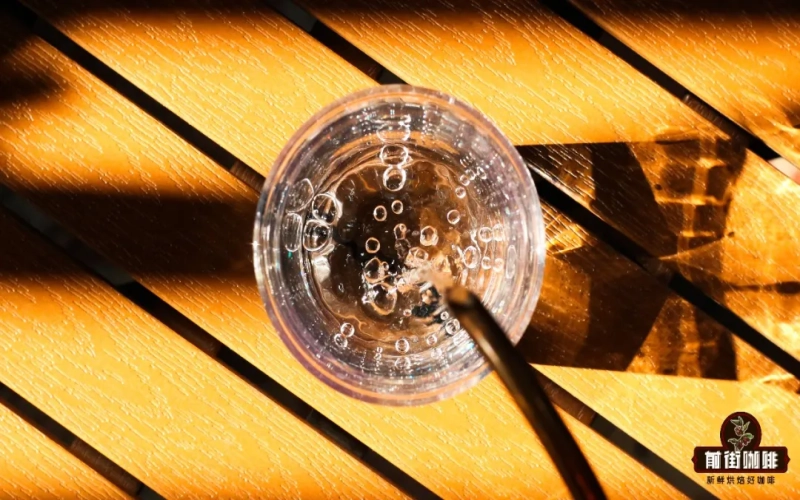
The iced pour-over coffee I've shared with you before is the Japanese-style iced pour-over method, which is essentially hot coffee cooled with ice. In this article, Front Street Coffee will introduce a true iced pour-over coffee brewed with ice water—don't blink! Can ice water really brew coffee? A normal cup of pour-over coffee takes only 2-3 minutes to brew, using just [more…]
What Water Should You Choose for Brewing Coffee? Why Purified Water Is Not Recommended for Coffee Machine Extraction
Regarding what water to use for brewing coffee, there has long been a popular saying: "Don't use purified water." Does this claim actually hold up? Water quality really does influence how coffee flavors express themselves, and purified water is called into question mainly for two reasons: first, its extraction efficiency is on the low side, because the water lacks calcium and magnesium ions to help dissolve flavor compounds; second, purified water has poor conductivity, which can cause the boiler probe in a coffee machine to malfunction, leading to abnormal refilling or even breakdowns. Through comparative experiments, Front Street found that coffee brewed with purified water versus mineral water shows only slight differences in concentration and extraction yield—hard for an ordinary person to notice. What is truly unsuitable for brewing coffee is hard water with a TDS above 175 ppm. This article will analyze these points one by one and offer water-quality recommendations for everyday brewing. [more…]
Pour-Over Coffee Water Quality
To brew a delicious cup of coffee, you need not only good beans but also good water. In brewed coffee, water accounts for over 98% of the final cup. Therefore, choosing the right water for brewing is also crucial. So what kind of water is actually suitable for brewing coffee? First, Front Street Coffee will explain the requirements for water suitable for brewing coffee. One [more…]
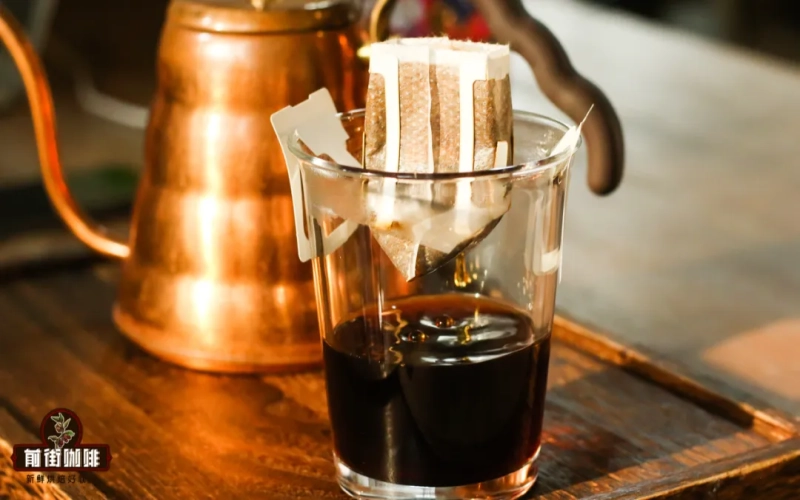
How to brew drip bag coffee for the best taste? A detailed explanation of the three key points—water temperature, amount of water, and time—plus Front Street flavor drip bag recommendations.
Drip bag coffee, with its convenient advantages of requiring no grinding and no professional equipment, has become the go-to staple for many people during business trips, office work, and travel. However, quite a few friends report that the drip bag coffee they brew themselves turns out either bland and tasteless or sharply sour and bitter—the problem often lies in three key parameters: water temperature, amount of water poured, and brewing time. This article begins with an introduction to the flavors of Front Street Coffee's classic five-origin drip bag coffee, then systematically explains the suitable water temperature ranges for light-roast and dark-roast drip bags respectively, the selection of coffee-to-water ratios and visual measurement techniques, and how to control the extraction time to around two minutes through staged pouring, helping you brew a delicious cup of drip bag coffee that rivals pour-over in the simplest way possible. [more…]
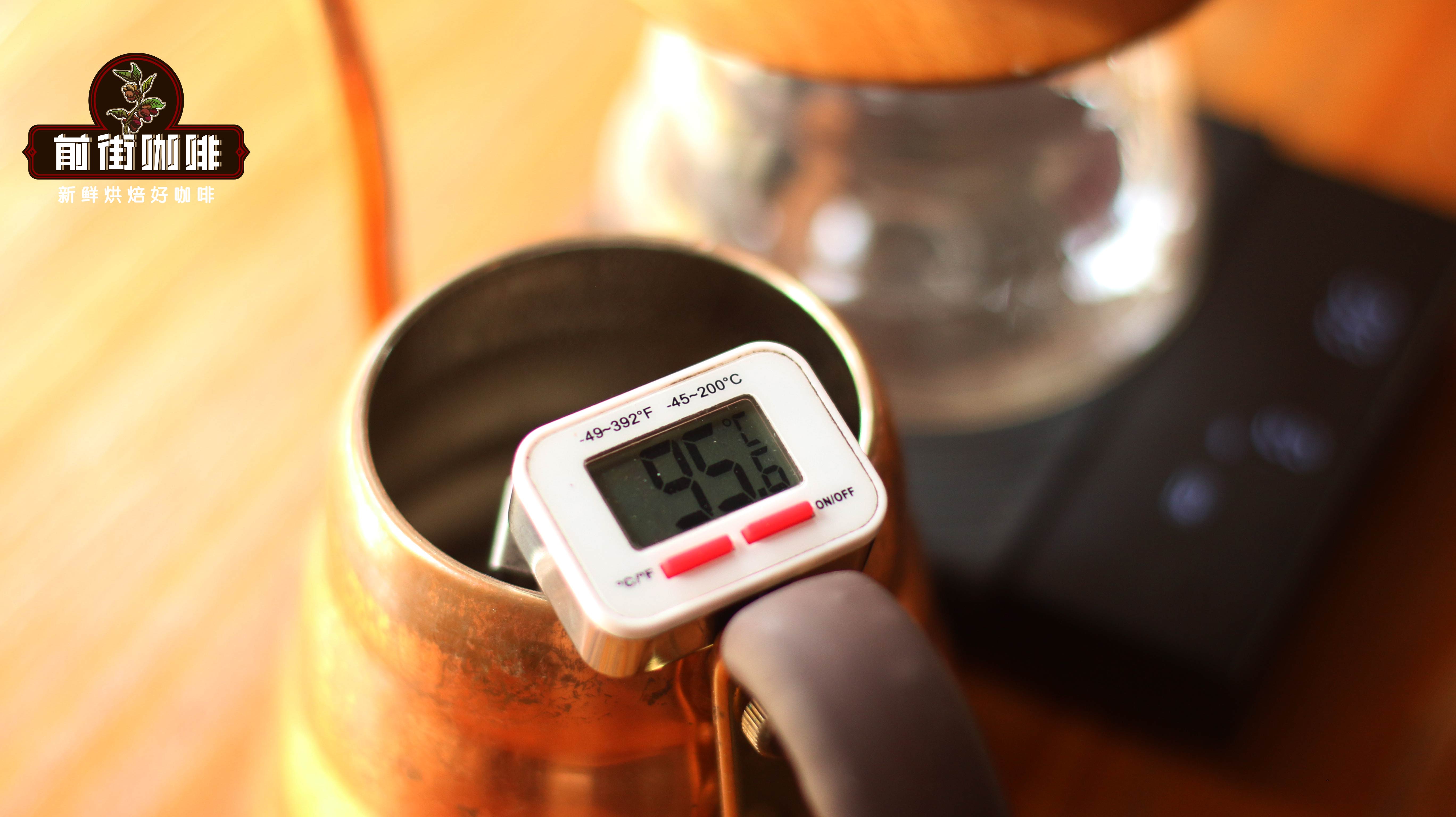
What Is the Ideal Water Temperature for Pour-Over Coffee? An Analysis of the Difference Between Brewing Water Temperature and Actual Extraction Temperature
When brewing pour-over coffee, what temperature should the water actually be set to? Mainstream recommendations fall between 86°C and 93°C—light roasts suit higher temperatures, while dark roasts are better with lower water temperatures. However, the initial water temperature in the pour-over kettle does not equal the actual extraction temperature when it contacts the coffee grounds. Through actual testing, Front Street found that when the water temperature in the kettle is 90°C, the temperature participating in extraction within the coffee bed only remains around 84.5-86°C, with a clear gap between the two. This temperature difference mainly comes from the coffee grounds absorbing heat, the dripper absorbing warmth, and the water flow losing heat as it is exposed to air. As long as you deliberately raise the height of the water stream during the pouring stage, you can accelerate the temperature drop, bringing the effect of a 93°C initial water temperature close to 90°C during extraction. Understanding the relationship between the set parameter temperature and the actual extraction temperature helps you adjust flexibly in daily brewing and consistently present your ideal flavor. [more…]
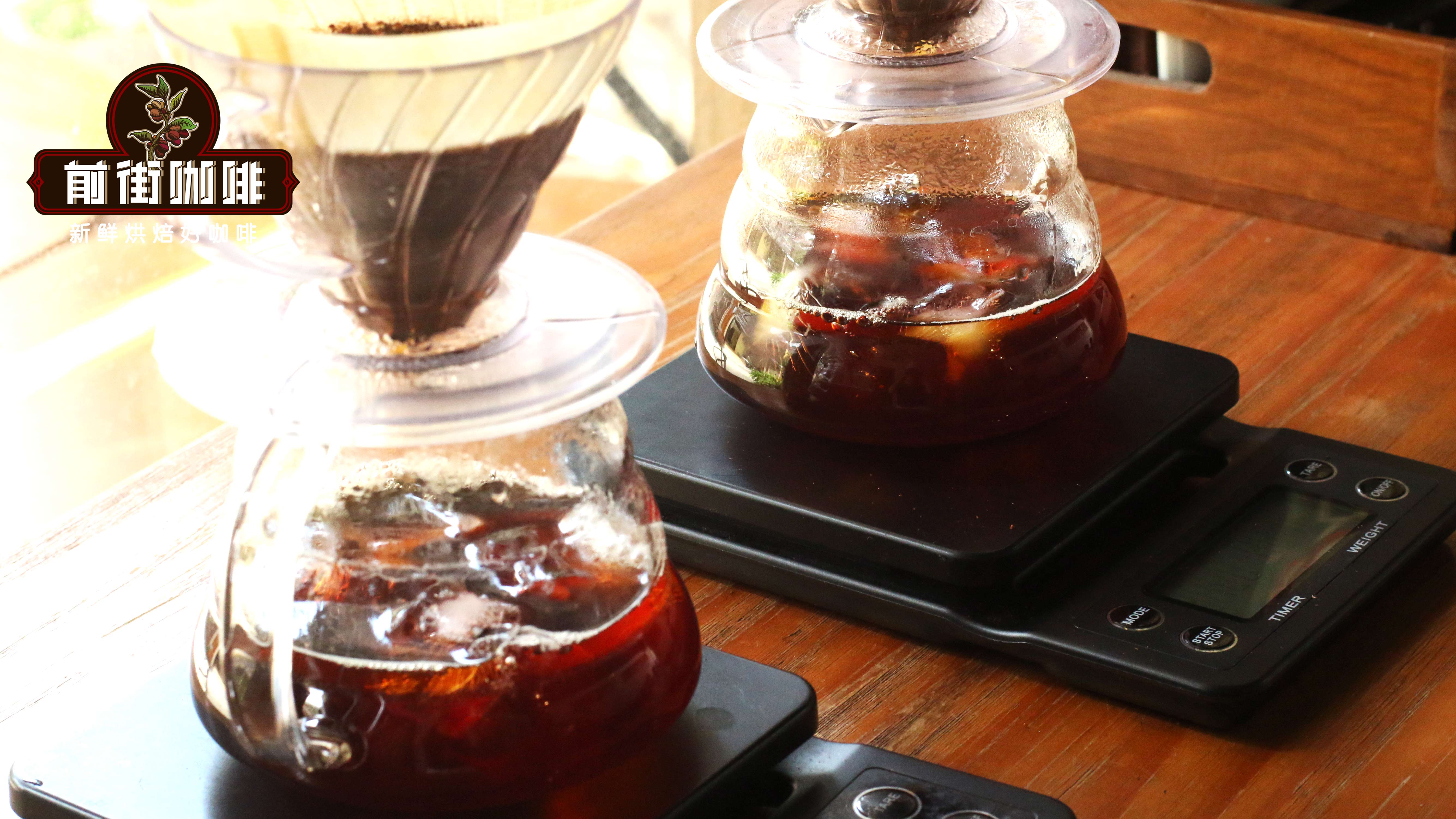
Is Iced Water Pour-Over Coffee Feasible? Bean Selection and Practical Steps, with a Soda Water Brewing Experiment
In the past, the iced pour-over recipes we shared mostly involved pouring hot coffee directly over ice to cool it down—a Japanese-style approach. This time, Front Street Coffee wants to try something different—extracting coffee with ice water the whole way through. Ice water is low in temperature and poor at extraction, so it may not seem very reliable, but once you understand the balance between grind size, water temperature, and pouring method, you can actually find a reasonable brewing path. This article will first explain the idea behind brewing coffee with ice water, then use the Costa Rica Strawberry Candy bean as an example to give the dripper choice, grinding parameters, and complete brewing steps, and finally add an extra experiment using soda water instead of ice water to see how the taste changes. [more…]
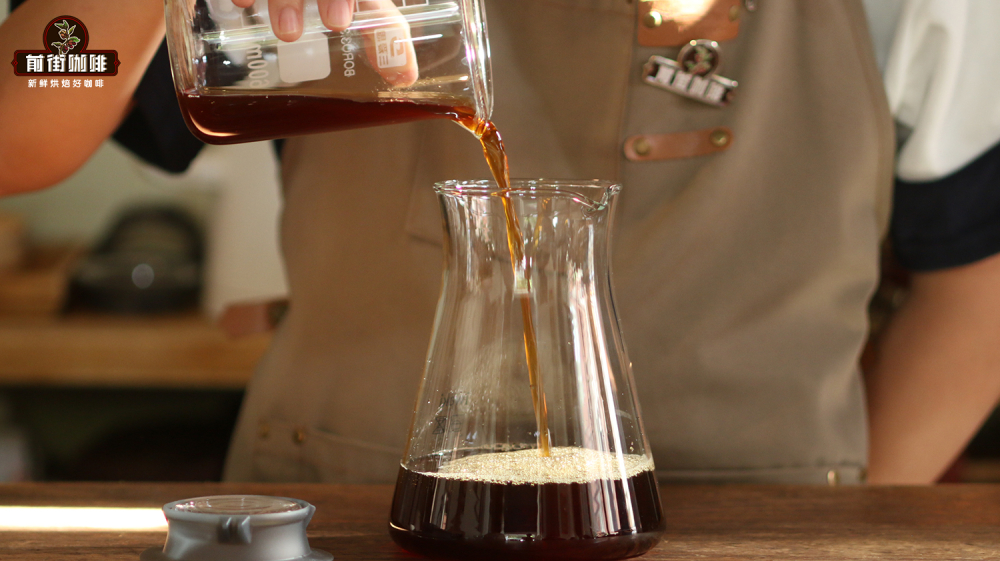
Cold Brew Coffee Beans Recommendation | Are Medium-Dark Roast Single-Origin Beans Suitable for Cold Brew? Can Cold Brew Coffee Be Made with Hot Water? Guide to Cold Brew Grind Size, Steeping Time, and Coffee-to-Water Ratio
Besides being extracted with hot water, coffee can also be made with cold water. Coffee made with cold water is called "cold brew coffee," and it has a distinct charm compared to hot-brewed coffee. Cold brew coffee is divided into cold water brew and ice drip coffee; cold water brew involves soaking coffee grounds in cold water, while ice drip coffee refers to the use of a drip filtration method. [more…]
From Cold Brew to Siphon and Circulating Filtration: A Detailed Guide to Ten Pour-Over and Brewing Techniques for Single-Origin Coffee
To consistently replicate a clean-flavored single-origin coffee at home, the key lies in understanding the extraction logic behind different brewing methods. This article explores ten common brewing methods, focusing on the key points of cold water slow extraction, steam pressure, and automatic brewing with electric kettles, and also supplements the circulation extraction principle of the filter circulation coffee maker. The content covers equipment preparation, grind size, water temperature and time control, as well as ways to avoid common mistakes. The article also incorporates Front Street Coffee's products and ideas to help coffee enthusiasts choose the right solution based on their equipment and taste, so they can brew a rich and well-layered cup whether on a busy morning or a leisurely weekend. [more…]
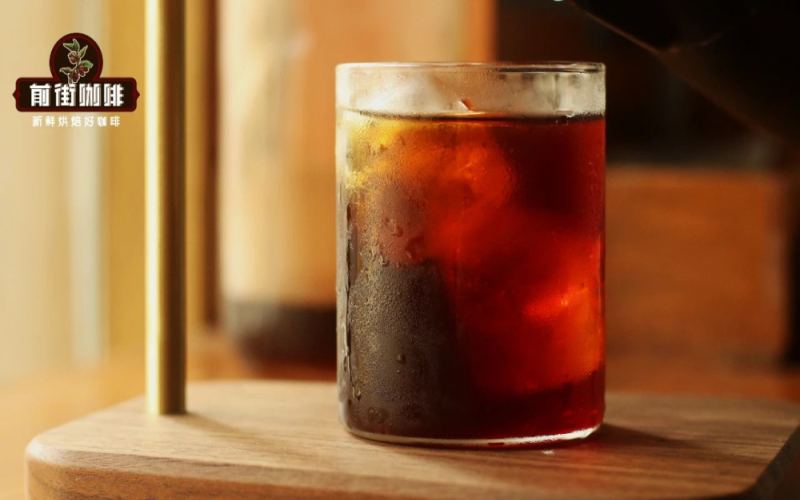
Cold Brew Coffee Water Temperature | What Is Cold Brew Iced Coffee? What Are the Differences Between Cold Brew and Ice Drip Coffee? Which Tastes Better, Ice Drip or Cold Brew?
In the hot summer, a glass of iced coffee is truly refreshing, but now that autumn has arrived, will iced coffee still be so popular? Front Street tells everyone: absolutely! Because although it's autumn, the temperature is still there, and the taste of iced coffee is still there. Friends who like this flavor still [more…]
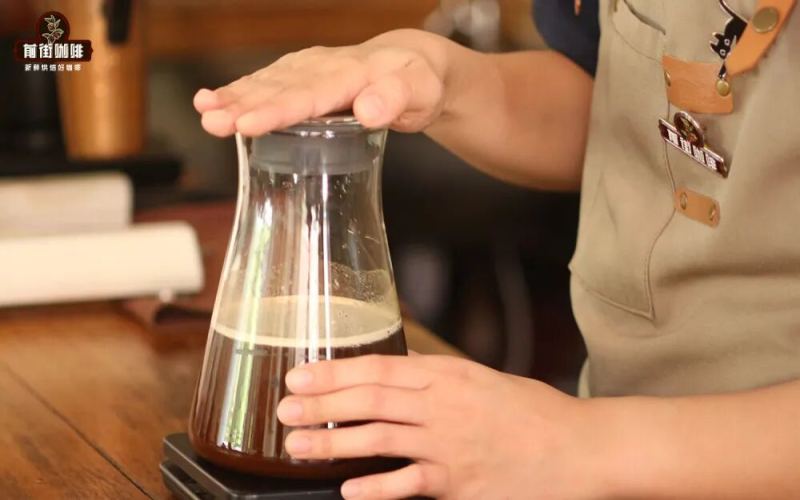
Cold brew coffee: room temperature water or warm water? Explaining why low-temperature extraction produces less acidity and a practical guide to fast extraction with warm water
Cold brew coffee has always been known for its long, low-temperature steeping, often requiring 5 to 24 hours when made with room-temperature water. To shorten the wait, some people have tried steeping coffee grounds in warm water. This article explores the differences between cold-water and warm-water extraction, the reasons why cold brew has lower acidity, and a warm-water cold brew comparison test using Front Street Coffee's Elida Catuai. It records the sensory differences between 3 hours in 45℃ warm water and 7 hours in room-temperature water, and offers bean selection advice and practical tips for warm-water cold brew. [more…]
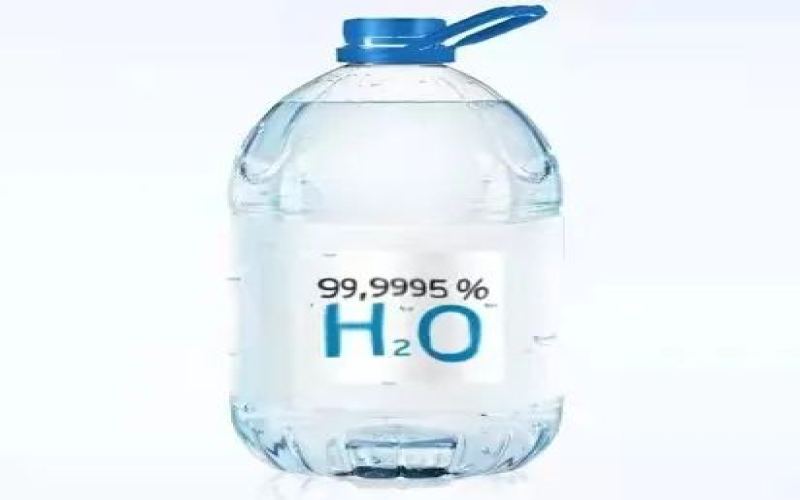
Is Lower TDS Water Always Better for Brewing Coffee? An In-Depth Look at ppm Standards and Mineral Water Choices
Many coffee enthusiasts, after purchasing equipment and beans, often overlook the critical impact of water quality on flavor. Tap water, filtered water, or purified water—different TDS levels will directly change the extraction results. From the perspective of Front Street, this article explains how calcium and magnesium ions influence the taste, why tap water tends to produce astringency, and why purified water leads to a hollow sensation. It also cites the SCAA standard of 75-250ppm along with practical recommendations, advocating the use of filtered or bottled water, and specifically mentions Nongfu Spring as a reference choice for daily brewing. [more…]
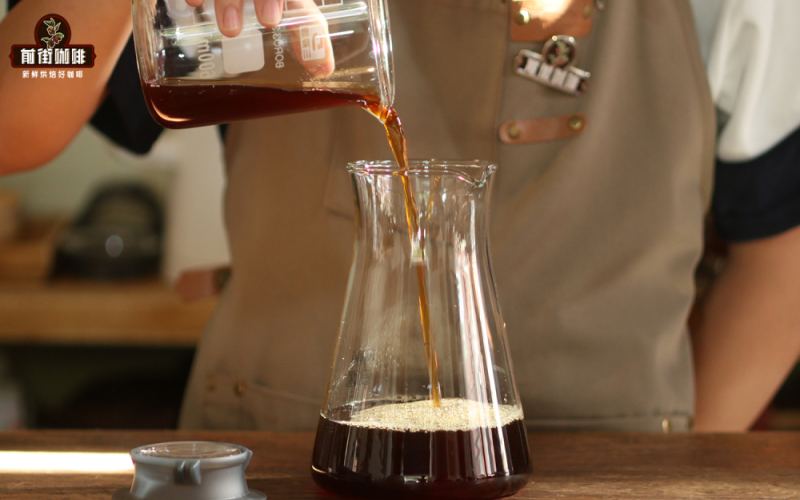
Cold Brew Coffee Water Temperature | Can Hot Water Be Used to Extract Coffee for Making Cold Brew? Which Types of Coffee Beans Are Suitable for Cold Brew Coffee?
Besides being extracted with hot water, coffee can also be made with cold water. Coffee made with cold water is called "cold brew coffee," and it has a distinct character compared to hot-brewed coffee. Cold brew coffee is divided into cold brew steeped coffee and ice drip coffee; cold brew steeped coffee is made by soaking coffee grounds in cold water, while ice drip coffee refers to the use of a drip filtration method. [more…]